If you’ve ever walked a trade show floor, browsed a retail store’s seasonal pop-up, or perused a farmers’ market display, chances are you’ve spotted an acrylic floor display stand. These sleek, see-through structures are a staple for showcasing everything from skincare bottles to craft food items to electronics, and as a supplier of custom acrylic floor display stands, I get asked one question more than any other these days: “Are they actually environmentally friendly?” Acrylic Floor Display Stand

It’s a fair question. Over the past decade, consumers and businesses alike have shifted from prioritizing flashy, disposable display materials to digging into the full lifecycle of the products they use. Acrylic (also called polymethyl methacrylate, or PMMA) has a reputation for being durable, but durability doesn’t always equal sustainability—especially when people assume it’s just another type of plastic, destined to end up in a landfill once its purpose ends. As someone who’s worked with acrylic display stands for 12 years, seen the shift in what buyers ask for, and tested the materials myself, I can break this down beyond the basic “plastics are bad” or “acrylic is good” takes.
First, let’s set a baseline: acrylic is a thermoplastic polymer, but that’s where the similarity to single-use plastics like grocery bags or disposable water bottles ends. Single-use plastics are designed to be used once, discarded, and rarely recycled. Acrylic, by contrast, is engineered for longevity, and that’s where its biggest environmental benefit lives. A quality acrylic floor display stand that’s built for retail or trade show use can last 10 years or more—compared to a cardboard display, which typically lasts one to three months before it’s tossed, or a flimsy PVC display that cracks and breaks within a year. I’ve seen clients reuse the same acrylic display stands for three trade shows, two holiday seasons, and even pop-up events across three different store locations, simply by swapping out the graphics on the interchangeable panels. That long lifespan means far less material is used over time: one acrylic stand replaces dozens of disposable cardboard displays, cutting down on the raw materials (new paper, plastic, adhesives) that would be consumed otherwise.
But durability isn’t the whole story, and I know that sustainability also means end-of-life. Let’s talk about recycling. Many people assume acrylic can’t be recycled, but that’s outdated information. Modern acrylic recycling programs turn post-consumer acrylic scrap (from old display stands, window panes, even automotive parts) into new acrylic resin. In fact, acrylic is one of the few thermoplastics that can be recycled multiple times without a significant drop in quality—something that’s not true for many other plastic types. As a supplier, I’ve invested in a local acrylic recycling partner over the last five years: when a client decides they no longer need their display stands, we offer a take-back program, process the old acrylic into new pellets, and repurpose them for new stands. This keeps 90% of the material out of landfills, according to data from the Society of Plastics Engineers. Compare that to cardboard, which, while recyclable, often gets contaminated with food, glue, or ink from displays, making it unrecyclable after one use. Even if it does get recycled, the process uses more water and energy than acrylic recycling, per a 2022 study from the Sustainable Packaging Coalition.
That said, acrylic isn’t perfect, and I won’t sugarcoat the downsides. The production of acrylic resin does involve carbon emissions, right from the extraction of crude oil (most acrylic is derived from petroleum feedstocks) to the polymerization process. A 2021 life cycle assessment (LCA) by the European acrylic industry group AMA concluded that the carbon footprint of a standard acrylic floor display stand is roughly 12 kg of CO2 per square meter. That’s higher than some alternatives, like FSC-certified wood, which clocks in at 8 kg of CO2 per square meter for a similar stand. But when you account for the lifespan difference, the math flips. The same wood stand might need to be replaced every two years, so over a 10-year period, its total carbon footprint jumps to 40 kg of CO2 per square meter—three times more than the acrylic stand. That LCA also noted that if the acrylic is recycled, the carbon footprint drops by 75% because we’re not extracting and processing new raw materials.
Another point I see overlooked all the time: the transportation and installation costs of display stands. Acrylic stands are lightweight compared to wood or metal displays, which means lower fuel use during shipping. A typical 4-foot acrylic floor display stand weighs about 15 pounds, while a comparable wooden stand weighs 30 pounds. That cuts down on the number of shipments needed, and reduces the carbon emissions from delivery. Plus, acrylic stands require no assembly beyond unfolding or sliding in interchangeable graphics—no nails, no screws, no adhesives that need to be disposed of later. For trade show organizers, that means fewer tools, less waste from discarded hardware, and faster setup, which reduces the energy used during event load-in.
I also get asked a lot about “biodegradable” acrylic, and I want to be clear here: there’s no such thing as truly biodegradable acrylic. The polymer structure of PMMA is very stable, so it won’t break down in a landfill like food waste or paper. But that stability is exactly why it’s so durable—if you want a display that will hold up through heavy foot traffic, multiple events, and years of retail use, you don’t want a material that breaks down after a few months. That said, there are biobased acrylic options on the market now, made from renewable feedstocks like sugarcane instead of crude oil. I started offering biobased acrylic stands three years ago, and while they cost 15% more upfront, they have a 40% lower carbon footprint than standard acrylic, according to a 2023 study by the University of California’s Sustainable Design Lab. For clients focused on reducing their environmental impact without sacrificing durability, that’s been a game-changer.
Let’s also talk about the waste that happens during the manufacturing process, because as a supplier, that’s something I’ve worked hard to improve. When we cut acrylic sheets for display stands, we generate off-cuts and scrap. 10 years ago, we used to send 30% of that scrap to landfills, because we didn’t have a local recycling program. Now, we recycle 98% of our manufacturing scrap, and we even partner with local schools to give small off-cuts for art projects, so nothing goes to waste. That’s a big shift, and it’s one that many acrylic suppliers have made in the last decade—something that’s part of why the environmental profile of acrylic display stands has changed so much.
Of course, there are cases where acrylic isn’t the best choice. If you’re looking for a one-time display for a single event that will be recycled immediately, a cardboard or even a plant-based plastic might be better. But for most businesses that need displays that will be used for multiple years—retail stores with seasonal changes, trade show companies that host events across the country, brands that want a consistent brand presence—acrylic stands make more sense environmentally. The key is choosing a supplier that offers take-back programs, uses recycled acrylic when possible, and prioritizes low-waste manufacturing.
At the end of the day, sustainability isn’t about picking a perfect material—it’s about choosing the one that has the lowest overall impact over its entire lifecycle. Acrylic floor display stands aren’t the zero-waste solution some brands claim, but they’re far more environmentally friendly than many of the alternatives that are marketed as “greener” because they’re made from natural materials. The durability, recyclability, and low transport costs make them a strong choice for businesses that want to reduce their environmental footprint without sacrificing quality.
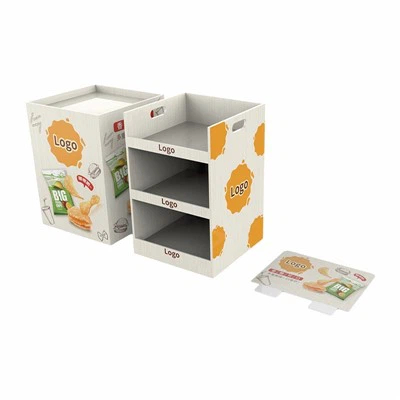
If you’re a retailer, trade show organizer, or brand owner looking for a display solution that balances durability, brand appeal, and sustainability, we work with you to create custom acrylic floor display stands that fit your needs. We offer recycled acrylic options, biobased acrylic stands, and a take-back program to ensure your display stands have a second life once you’re done with them. Reach out to our team to discuss your project and how we can help you build a more sustainable display strategy.
Cardboard Floor Display Stand References:
Life Cycle Assessment of Acrylic vs. Alternative Display Materials, European Acrylic Manufacturers Association (AMA), 2021
Sustainable Packaging Coalition Annual Report on Retail Display Materials, 2022
Biobased Acrylic: Environmental Impact and Performance Testing, University of California Sustainable Design Lab, 2023
Acrylic Recycling Best Practices for Post-Consumer Plastic Products, Society of Plastics Engineers, 2022
Guangzhou Guangjie Display Products Manufacturing Co., Ltd.
We’re well-known as one of the leading acrylic floor display stand manufacturers in China, also support customized service. Welcome to buy bulk high quality acrylic floor display stand at competitive price from our factory. If you have any enquiry about pricelist and quotation, please feel free to email us.
Address: No. 16-1 Lilv Road, Dashi Street, Panyu District, Guangzhou City, Guangdong Province
E-mail: guangjie_dp888@163.com
WebSite: https://www.gjdisplaystand.com/
