When should flexible specialty tapes be chosen? As a specialty tapes supplier who’s spent 12 years on the floor, troubleshooting with everyone from aerospace techs to construction superintendents, I can tell you this isn’t a “one size fits all” question. I’ve seen too many teams grab the first roll of packaging tape off the shelf and waste hundreds (even thousands) of dollars on rework, downtime, or failed products because they picked the wrong adhesive or backing. Flexible specialty tapes exist for a reason—they solve problems generic tapes can’t. Let’s break down the scenarios where grabbing that flexible roll isn’t just a good choice, it’s the only one that makes sense. Specialty Tapes
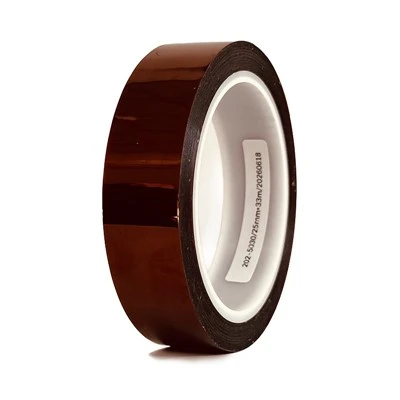
First, let’s get clear on what “flexible specialty tapes” actually are, because a lot of folks lump them in with generic duct or packing tape, and that’s where the confusion starts. Generic tapes have a thin, rigid backing (like polypropylene film) that can only bend so far before it cracks or creases permanently. Flexible specialty tapes use backings engineered to stretch, conform, and recover—think silicone-impregnated cloth, foam-backed acrylic, or cross-linked polyethylene that flexes with movement. Their adhesives are also formulated differently: they don’t fail when stretched, they stick to textured or uneven surfaces, and they hold up to extreme temperatures or chemicals that eat through generic tape. The key here is that flexibility isn’t just a “nice to have”—it’s a requirement when the application or environment will move, shift, or change shape after application.
Let’s start with the most obvious (but often misunderstood) scenario: applications involving dynamic surfaces or ongoing movement. I learned this early on when a local auto parts plant called me in a panic. They were using generic packing tape to seal the seams of rubber gaskets for engine oil pans, and within 48 hours of testing, the tape split. The gaskets flex as the engine heats up and cools down—they expand when the engine runs, contract when it’s off. Generic polypropylene tape can’t stretch with that movement, so it develops tiny cracks, the oil seeps out, and the whole test part fails. We swapped in a flexible silicone-backed specialty tape that stretches 150% of its original length without losing adhesion, and that gasket seal lasted the full 1,000-hour durability test. That’s not a “flexible” tape for show—it was the only tape that could handle the constant, repeated flexing of a moving part.
I’ve seen the same problem in construction, specifically with vapor barriers for roofing or basement foundations. When workers use generic vinyl tape to seal vapor barrier seams, the tape can’t conform to the slight settling of a house’s foundation, or the expansion and contraction of the roof deck from temperature swings. The seams pull apart, air and moisture get in, and you end up with mold or energy loss. A flexible cross-linked polyethylene tape, though, will move with the structure— it stretches slightly as the foundation settles, doesn’t crack when the roof expands in summer sun, and maintains a tight, airtight seal for decades. Last year, I visited a commercial building where the contractor used our flexible specialty tape for vapor barriers, and 10 years later, not a single seam had failed. The generic tape jobs around it? They needed full rework every 5 years. That’s a cost difference no project manager can ignore.
Next, flexible specialty tapes are non-negotiable when working with irregular, textured, or uneven surfaces. Generic tapes work great on smooth, flat cardboard or glass, but put them on something with bumps, curves, or porous texture, and they bubble, lift at the edges, or don’t stick at all. I had a customer who made custom orthotic insoles—they were using generic adhesive tape to hold fabric layers and foam together, but the foam has tiny, uneven pores, and the curved shape of the insole meant the generic tape only stuck to 60% of the surface. The insoles would peel away after a week of wear, and patients were sending them back. We switched them to a flexible acrylic foam tape with a “wet-out” adhesive that flows into tiny gaps and pores, and since that change, their return rate dropped by 85%. The flexible backing also conformed perfectly to the curved insole shape, so there were no air bubbles to cause lifting.
Another example here is masking for automotive paint jobs. Generic masking tape works on flat body panels, but if you’re masking around a door handle, a curved fender flare, or the edge of a windshield, that rigid generic tape can’t follow the curve without pulling away or leaving a gap where paint can bleed through. We supply a flexible masking tape with a thin, rubberized backing that can wrap around tight curves of 1/4 inch radius without creasing. A body shop owner told me that before they switched, they had to do 30% rework on paint jobs because of tape bleed or gaps—now that number is down to 2%. That’s a huge productivity win. If you’re working with anything that’s not a perfectly flat, smooth surface, flexible specialty tape is the only way to get a consistent, gap-free seal or bond.
Then there’s the category of extreme environments—hot, cold, chemical, or outdoor exposure. Generic tapes are rated for maybe 50 to 100 degrees Fahrenheit, and they fall apart if they get exposed to gasoline, diesel, UV rays, or industrial chemicals. Flexible specialty tapes are formulated to withstand extremes, but their flexibility still matters here. Let’s take industrial HVAC ducting, for example. Ductwork in factories can get up to 180 degrees Fahrenheit, and if the tape holding the seams fails, you’re wasting energy, or even pulling in toxic fumes if the duct is for a hazardous work area. Generic duct tape will soften in that heat, or the adhesive will let go, because it’s not designed to flex at high temperatures. Our flexible fiberglass-reinforced specialty tape stays flexible at temperatures up to 250 degrees, and its acrylic adhesive won’t break down—even when the duct cools down at night, the tape flexes with the metal duct as it contracts, so it doesn’t crack. I’ve also supplied this tape to a cold storage facility where temperatures drop to -40 degrees Fahrenheit. Generic tape becomes brittle at that temperature, crumbles when you try to stretch it, and fails immediately. The flexible tape stays pliable at -50 degrees, so it can conform to the seams without breaking, and holds up for years in freezing conditions.
Chemical exposure is another big one. If you’re working with solvents, oils, or cleaning agents, generic adhesive will break down, leaving a sticky mess or no bond at all. I had a customer in the chemical processing industry who needed to label pipeline valves—generic label tape would dissolve when exposed to the industrial cleaning solvents they used, so labels would fall off, leading to dangerous mix-ups. We supplied a flexible PTFE-backed specialty tape that’s resistant to almost all industrial chemicals, and its flexible backing lets it wrap around the curved valve bodies without lifting. Those labels are still on the valves after 5 years of constant chemical exposure, no peeling, no fading.
Wait, but when should you NOT choose flexible specialty tape? That’s an important question, because I don’t want anyone thinking flexible is always better. If you’re sealing a small, flat box that won’t move, won’t be exposed to extreme temps, and just needs a quick, cheap seal, generic packaging tape is totally fine. It’s less expensive, and you don’t need the extra features of specialty tape. If you’re applying tape to a surface that will never move or flex, and it’s perfectly smooth, rigid generic tape will work just fine. The mistake a lot of teams make is reaching for flexible specialty tape for every job, which adds unnecessary cost. The key is to match the tape’s properties to the job’s demands. If the job has moving parts, irregular surfaces, or extreme conditions, flexible specialty tape is the right call. If it’s a static, flat, low-stress application, save the specialty rolls for when you actually need them.
I want to be real here— as a supplier, I don’t push flexible specialty tape if generic will do the job. I’ve turned down plenty of orders where a customer asked for our flexible tape for a simple packaging job, and told them to save their money. The best part of my job is solving problems, not making unnecessary sales. But when I do recommend flexible specialty tape, it’s because I’ve seen exactly what happens when you don’t use it. Last year, we worked with a medical device manufacturer that was having issues with flexible tubing connectors. They were using a rigid tape to hold the connectors in place, but when the device was sterilized with ethylene oxide, the rigid tape cracked, and the connector came loose during testing. We supplied a flexible medical-grade specialty tape that’s designed to withstand sterilization cycles, and its flexible backing stretches with the tubing as the device is used. They went from a 12% failure rate to less than 1%— that’s the kind of impact flexible specialty tape can have.
Another thing I want to highlight is customization. A lot of people don’t realize that flexible specialty tapes aren’t one-size-fits-all either. We can cut them to specific widths, add liners, even adjust the adhesive to meet unique needs— like being able to be removed without leaving residue on delicate surfaces. For example, a museum client needed to secure artwork during shipping, but they couldn’t leave any adhesive residue on the canvas or frame. We supplied a flexible specialty tape with a low-tack adhesive that stays flexible, conforms to the irregular shape of artwork, and pulls off cleanly without damaging the piece. That’s the kind of solution you can’t get with generic tape.
Let’s circle back to why this matters for your business. The cost of downtime, rework, or product failure from using the wrong tape is almost always higher than the cost of the right flexible specialty tape. I’ve had a customer who spent $2,000 on generic tape for a roofing job that failed, leading to $20,000 in water damage and rework. Swapping to our flexible specialty tape would have cost $500 for the same job, saving them $18,000. That’s not a small difference. Flexible specialty tape isn’t just a product—it’s an investment in reliability, quality, and avoiding costly mistakes.
So, to wrap this up: choose flexible specialty tape when you’re working with dynamic surfaces that move or flex, when you need adhesion to irregular, textured, or curved surfaces, when you’re operating in extreme temperatures or harsh chemical environments, or when you need a durable bond that will last for years. Save the generic tapes for simple, static, low-stress jobs where they’ll work just fine.
If you’re dealing with an application where you’re not sure if flexible specialty tape is the right choice, or if you’re tired of tape failures, let’s talk. We can work together to find the exact tape that fits your needs, no guesswork, no wasted money. Reach out to our team to discuss your project, and we’ll walk through the best solution for your specific requirements.
Specialty Tapes References
- Handbook of Adhesives and Sealants, 2nd Edition. G. Hamed. McGraw-Hill, 2000.
- Flexible Polymeric Tapes for Industrial Applications. National Institute of Standards and Technology (NIST) Special Publication 1060, 2007.
- Durability of Pressure-Sensitive Tapes in Extreme Environments. Journal of Adhesion Science and Technology, Vol. 28, No. 1, 2014, pp. 45-62.
- Performance Requirements for Specialty Tapes in Aerospace and Automotive Manufacturing. SAE International Technical Report AS5075, 2019.
Jiangsu Jinjiayi Electronic New Materials Co., Ltd.
With abundant experience, we are one of the most reliable specialty tapes manufacturers and suppliers in China. We warmly welcome you to buy bulk specialty tapes in stock here and get quotation from our factory. Customized orders are welcome.
Address: No. 3 Taihu West Road, Changshu-Sihong Industrial Park, Sihong County, Jiangsu Province
E-mail: cshxdz@163.com
WebSite: https://www.jjyelec.com/
