If you’re in any industry that deals with lifting, securing, or organizing heavy stuff, you’ve probably heard of J hooks—those curved, J-shaped metal bits that look simple enough but do way more heavy lifting (literally) than you’d think. As someone who’s been supplying J hooks for years now, I get it: a lot of folks see them as “just a bendy hunk of metal” until they’ve wasted hours fighting with clunky, unreliable alternatives. Today, I’m breaking down why J hooks aren’t just a random hardware pick—they’re a game-changer for everyone from construction crews and warehouse managers to small business owners and DIYers tackling a backyard project. Let’s cut the tech jargon and get real about what makes these hooks worth your while. J Hook
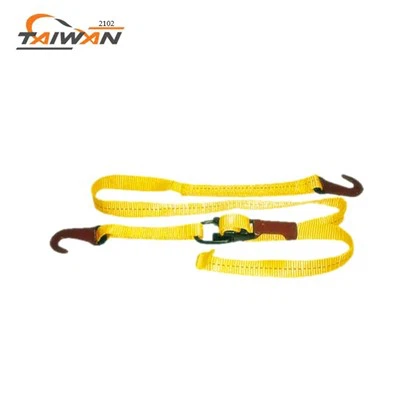
First up, let’s talk about load security—this is the big one, and it’s why I’ve had customers who come back every time because their old hooks always felt like they might slip or fail mid-lift. Here’s the thing: J hooks aren’t straight bar hooks. That curved top (the “J” part) isn’t just for looks—it locks onto whatever you’re securing. When you loop a rope, strap, or chain over the curved bend, it can’t slide off sideways, no matter how much jostling happens. I’ve seen it beat the pants off open hooks, which just pop off if the load shifts even a little. For example, in a warehouse where forklifts are zipping around, or a construction site where wind is whipping loose materials, that locked-in design isn’t a nice-to-have—it’s safety 101. I supply J hooks with load ratings tailored to different jobs, so whether you’re lifting a 500-pound pallet of boxes or a 2,000-pound steel beam, you’re not guessing if the hook can hold. No more worrying about your load crashing down (that’s the nightmare I hear about every once in a while, and it’s why we build our hooks with heavy-duty steel that’s been tested for stress points).
Next, versatility. I swear, these hooks do it all, and I get customers ordering them for jobs I never even thought of when I first started. Let’s break it down across industries because that’s where you’ll see the biggest payoff. For construction: you can hang scaffolding, secure rebar bundles, or even organize tools on a job site wall. For warehouses: they slide right onto pallet racks, letting you hang extra pallets, hoses, or even ATV parts off the sides to free up floor space. Small business folks—think event planners hanging banners, vendors securing inventory on a utility cart, or gym owners hanging heavy bags or resistance bands. Even DIYers use them for everything from hanging bikes in the garage to securing lumber in a truck bed. Unlike specialized hooks that only work for one thing, J hooks’ simple shape means they adapt. I have customers who buy a batch of our standard J hooks and repurpose them for 3 different projects in the same week. That’s the kind of flexibility that saves you money—no need to buy 5 different hooks for 5 jobs when one type works for all.
Then there’s space-saving, which is huge right now with everyone dealing with tight storage. Whether it’s a warehouse where square footage costs big bucks, or a homeowner with a tiny garage, J hooks help you use vertical space instead of wasting floor space. Pallet racks are made for standard hooks, but J hooks fit right onto those same rails and hold loads that would take up half a pallet on their own. In my garage, I used to stack my kids’ bikes on the floor and trip over them all the time—now I have 4 bikes hanging from J hooks mounted on the ceiling, and I’ve got a whole corner free for my lawn mower. For warehouses, we’ve had clients tell us they cut their storage needs by 15% just by switching from old straight hooks to J hooks on their racking systems. Because J hooks let you hang items outward or downward without needing extra hardware, you’re not wasting an inch of space. That’s not just “nice”—that’s extra revenue for warehouses that can fit more inventory, or less clutter for anyone who’s tired of tripping over stuff.
Durability is another win, and I’m not just saying that because I sell them. Our J hooks are made from hot-dipped galvanized steel for most applications, which means they’re resistant to rust, corrosion, and even minor impact. That’s a big deal for outdoor use—whether you’re leaving hooks on a construction site in the rain, or hanging things in a damp basement or garage. Unlike plastic hooks that crack after a few uses, or flimsy steel hooks that bend under even mild load, our J hooks are built to last. We test every batch to make sure they don’t deform when rated load is applied, so you don’t have to replace them every few months. I had a customer who’s been using our J hooks for scaffolding for 7 years now, and he just ordered a new batch to replace a couple he lost, not because they wore out. That’s the kind of longevity that beats buying cheap, flimsy hooks that break on you after one job.
Wait, let’s not forget ease of installation and use. I’ve seen way too many hardware products that require a degree to set up, but J hooks? You mount them with basic bolts or screws (depending on the surface) and you’re done in 5 minutes. For pallet rack use, most rack systems already have slots that J hooks slide right into—no extra tools needed, just slot ‘em in and adjust them to fit your load. When lifting, you don’t need any fancy rigging skills: just loop your strap or chain over the curved part, and it’s locked in. That’s a huge plus for small teams or DIYers who don’t have a lot of specialized training. No one wants to spend an hour figuring out how to use a complicated hook when you can get to work in 2 minutes. I get messages from new customers all the time saying how surprised they are at how simple it is—they thought it’d be more work, but it’s just plug-and-play.
Let’s talk about cost-effectiveness, because that’s what drives most purchasing decisions. When you compare J hooks to other heavy-duty securing options like specialized lifting clamps or custom brackets, they’re way cheaper upfront. But it’s not just the initial price—when you factor in durability, versatility, and the space savings we talked about, the long-term value is unbeatable. For example, a warehouse switching to J hooks might pay a little more per hook than cheap open hooks, but they’ll last 10 times longer, and the space they save means they don’t have to rent extra warehouse space. For a DIYer, a pack of J hooks is like $10-$20, and they can use them for years instead of buying a new hook every time a job comes up. I make sure to price our hooks so they’re accessible for everyone, from the guy buying 5 hooks for his garage to the big construction company ordering 10,000 for a project. No markup for “brand name” or fancy features—just solid, useful hardware at a fair price.
Now, I want to be real here—J hooks aren’t perfect for every job. If you’re lifting round, ultra-smooth objects like glass panels, for example, you might need a specialized clamp that doesn’t slip on curved, slippery surfaces. But for 90% of the lifting, securing, and organizing jobs most people deal with, J hooks are the best pick. I’ve heard customers say they switched after a bad experience with another type of hook, and now they swear by J hooks for everything.
At the end of the day, J hooks are one of those unsung hardware heroes that do a ton of heavy lifting (pun intended) without a lot of fanfare. They’re safe, versatile, save space, last forever, are easy to use, and don’t break the bank. If you’re tired of hooks that slip, bend, or take up too much space, or if you’re looking for a way to organize your job site, warehouse, or garage better, J hooks are absolutely worth checking out.

If you’re ready to grab a batch for your next project or have questions about what size or load rating you need, don’t hesitate to reach out to talk through your requirements. We can hook you up with the right J hooks for exactly what you’re working on, no guesswork involved. Bring your blueprints, your load specs, or even just a list of jobs you need hooks for, and we’ll help you sort it out.
Car Seat Belt Buckle References
- Occupational Safety and Health Administration (OSHA). (2022). Rigging Equipment Guidelines for Lifting Operations. U.S. Department of Labor.
- Steel Manufacturers Association. (2021). Properties and Applications of Hot-Dipped Galvanized Steel for Industrial Hardware.
- Warehouse Education and Research Council (WERC). (2023). Vertical Storage Optimization for Modern Warehouses.
- DIY Hardware Association. (2022). Top Organizing Solutions for Residential and Small Commercial Spaces.
- National Construction Association. (2021). Tool and Equipment Security Best Practices for Job Sites.
Good Success Corp.
Good Success Corp. is one of the leading j hook manufacturers and suppliers in China. We warmly welcome you to buy cheap j hook for sale here from our factory. All customized products are with high quality and competitive price. Contact us for more details.
Address: NO.54, CHANG MA ROAD, CHANG HUA 500051, TAIWAN, R.O.C.
E-mail: sales@gscbelt.com
WebSite: https://www.gscseatbelt.com/
