In the world of cinema, the manipulation of tone is a powerful tool that filmmakers use to convey different emotions, themes, and narratives. One fascinating aspect is how the tone can change between two timelines within a single movie. As a supplier of sliding doors, I’ve always been intrigued by the parallels between the dynamic nature of sliding doors and the shifting tones in movies. Sliding doors, with their ability to open up or close off spaces, can symbolize the transition between different states, much like how a movie’s tone can shift dramatically between two timelines. Sliding Doors

Let’s first understand what we mean by the "tone" of a movie. Tone encompasses the emotional atmosphere, the mood, and the overall feeling that a film conveys to its audience. It is created through a combination of elements such as lighting, music, cinematography, and the performances of the actors. When a movie features two timelines, it often uses distinct tones to differentiate between them, which helps in guiding the audience through the story and highlighting the contrasts or connections between the two periods.
One classic example of a movie with a significant tone change between two timelines is "The Curious Case of Benjamin Button." The film follows the life of Benjamin Button, who is born an old man and ages in reverse. The first timeline, set in the early 20th century, has a somewhat dreamy and nostalgic tone. The cinematography is filled with warm, sepia – toned hues, and the music has a slow, gentle rhythm that evokes a sense of a bygone era. The story during this period is filled with wonder and discovery as Benjamin experiences the world from an unusual perspective. For instance, his relationship with Daisy when they are both young is portrayed with a sense of innocence and hope.
In contrast, the later timeline, which takes place in more modern times, has a more somber and melancholic tone. As Benjamin continues to age in reverse, he becomes younger physically but faces the loss of his loved ones. The lighting becomes brighter and more clinical, and the music has a more subdued and sad undertone. The audience is confronted with the harsh realities of life, such as the passage of time and the inevitability of loss. This shift in tone not only enhances the emotional impact of the story but also serves to emphasize the central theme of life’s transience.
Now, let’s draw a parallel between the changing tone in movies and the functionality of sliding doors. Sliding doors can transform a space in an instant. When they are open, they create a sense of fluidity and connection between different areas. This is similar to how a movie can use a light – hearted and open – ended tone in one timeline to signify new beginnings and opportunities. In the case of "Benjamin Button," the early timeline with its positive and exploratory tone is like an open sliding door, inviting the audience into a world full of possibilities.
On the other hand, when sliding doors are closed, they can create a sense of privacy, isolation, or even confinement. In movies, a darker, more closed – off tone in a timeline can represent challenges, setbacks, or internal struggles. In the later parts of "The Curious Case of Benjamin Button," the somber tone is like a closed sliding door, separating Benjamin from the world he once knew and the people he loved.
Another movie that showcases a remarkable tone change between two timelines is "Pulp Fiction." The film is known for its non – linear narrative, which jumps back and forth between different events. The first timeline that we are introduced to has a somewhat comical and irreverent tone. The dialogue between the characters, such as Jules and Vincent, is filled with witty banter and pop – culture references. The scenes are shot with a bright and energetic style, and the music has a funky, upbeat rhythm. This light – hearted tone initially gives the impression of a simple crime – comedy.
However, as we move into other timelines, the tone becomes much more intense and violent. The story takes a darker turn with events such as Butch’s escape and the shoot – out in the apartment. The lighting becomes more shadowy, and the music is replaced with a tense and suspenseful score. The shift in tone in "Pulp Fiction" is not only a narrative device but also a way to keep the audience on the edge of their seats and subvert their expectations.
Just like the way sliding doors can be adjusted to control the flow of space, the tone in "Pulp Fiction" is adjusted to control the flow of the narrative. The comical tone in the early part is like a sliding door that is slightly ajar, allowing the audience to peek into a world that seems familiar but also a bit off – kilter. As the tone darkens, it’s as if the sliding door is closing tightly, creating a more confined and dangerous environment for the characters.
In the context of my work as a sliding doors supplier, understanding the concept of changing tones in movies can offer valuable insights. When we design and install sliding doors, we are essentially creating a way to manipulate the atmosphere of a space. Just as filmmakers use tone to guide the audience’s emotional journey, we can use the functionality of sliding doors to guide the experience of the people using the space.
For example, in a large open – plan office, sliding doors can be used to change the tone of the workspace. When the doors are open, the office has a collaborative and energetic atmosphere, similar to a movie with a positive and upbeat tone. The employees can easily interact and share ideas, much like how the audience is drawn into a world of excitement and possibility in a movie. When the doors are closed, individual offices are created, and the tone becomes more focused and private, akin to a movie with a more serious and introspective tone.
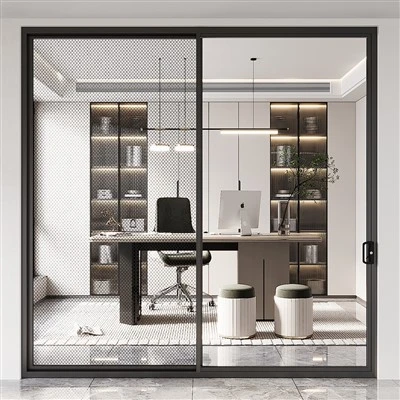
Moreover, the aesthetic design of sliding doors can also contribute to the overall tone of a space. Just as filmmakers use lighting and cinematography to set the mood, we can choose different materials, colors, and finishes for sliding doors to create a specific atmosphere. A set of sleek, glass – paneled sliding doors can give a modern and contemporary feel, similar to a movie with a high – tech and forward – thinking tone. On the other hand, wooden sliding doors with a natural finish can create a warm and rustic atmosphere, like a movie with a nostalgic and comforting tone.
In conclusion, the ability of a movie to change its tone between two timelines is a fascinating aspect of filmmaking that has much in common with the functionality and design of sliding doors. Both are about creating different experiences and atmospheres. As a sliding doors supplier, I am constantly inspired by the creativity in movies and how they use tone to tell a story. Whether it’s a commercial space, a residential building, or any other project, we at [my company] can provide sliding doors that not only meet your functional needs but also enhance the overall tone and mood of your space. If you’re interested in discussing how our sliding doors can transform your project, we’d love to hear from you and start a conversation about your specific requirements.
Special Windows References
Fassbender, D. (2008). The Curious Case of Benjamin Button [Film]. Paramount Pictures.
Tarantino, Q. (1994). Pulp Fiction [Film]. Miramax Films.
Foshan Hoview Windows and Doors Co., Ltd.
Foshan Hoview Windows and Doors Co., Ltd. is one of the most professional sliding doors manufacturers and suppliers in China. Please feel free to buy durable sliding doors in stock here and get quotation from our factory. All customized products are with high quality and competitive price.
Address: No. 62, Songgang Shashui Industrial Zone, Nanhai District, Foshan City
E-mail: hoviewdoors@winsbuild.com
WebSite: https://www.hoviewwindows.com/
