In the realm of finishing tools, the sponge is a commonly used item, lauded for its versatility and affordability. As a supplier of a wide range of finishing tools, I’ve observed firsthand the widespread use of sponges across various industries, from home DIY projects to professional painting and cleaning tasks. However, despite its many advantages, the sponge has several significant limitations that can potentially impact the quality of the finishing work. This blog will delve into these limitations to provide a comprehensive understanding of when and how a sponge may not be the best choice as a finishing tool. Finishing Tools

1. Absorption and Release Control Issues
One of the primary functions of a finishing tool is to distribute materials evenly across a surface. When using a sponge, controlling the amount of liquid or material it releases can be extremely challenging. Sponges have a porous structure that allows them to absorb a significant amount of liquid. But when applying this absorbed material to a surface, it’s difficult to regulate the flow.
For instance, in painting applications, if a sponge is over – soaked with paint, it can result in drips, runs, and an uneven finish. On the other hand, if the sponge is not sufficiently saturated, it may leave streaks or patchy areas. This lack of precision in absorption and release control becomes even more evident when dealing with high – viscosity materials such as epoxy resins or thick paints. These substances can clog the pores of the sponge, further altering its absorption and release capabilities and making it even harder to achieve a smooth, consistent finish.
In cleaning and polishing tasks, the same limitation applies. When using a sponge to clean a delicate surface with a cleaning solution, an over – wet sponge can cause pooling of the solution, which may damage the surface. For example, on wooden furniture, excess moisture can seep into the wood, causing warping or discoloration.
2. Durability and Wear
Sponges are generally not very durable compared to other finishing tools. Their soft and porous nature makes them prone to wear and tear. During the finishing process, especially when used on abrasive or rough surfaces, the sponge can quickly start to break down.
In sanding or buffing operations, the friction between the sponge and the surface can cause the sponge to fray or lose its shape. As the sponge deteriorates, it becomes less effective at performing its intended function. The loose fibers or particles from the worn – out sponge can also contaminate the surface being finished. For example, in automotive detailing, if the sponge starts to shed particles while applying a wax, these particles can scratch the car’s paintwork, leaving behind unsightly marks.
Moreover, repeated use and exposure to chemicals can also degrade the sponge over time. Cleaning agents, solvents, and paints can react with the sponge material, causing it to become brittle or lose its elasticity. This not only reduces the lifespan of the sponge but also affects its performance, as a worn – out sponge is less able to hold and distribute materials evenly.
3. Inability to Reach Fine Details
Another major limitation of using a sponge as a finishing tool is its inability to access and work on fine details. Sponges typically have a relatively large surface area, which makes it difficult to target small, intricate areas.
In woodworking or metalworking, when finishing a piece with decorative carvings, inlays, or small grooves, a sponge cannot effectively reach into these tight spaces. The sponge may leave behind residue or uneven finishes in these areas, as it is unable to conform precisely to the complex shapes. Similarly, in graphic arts or model – making, where precise detailing is crucial, a sponge is not a suitable tool for applying paints or finishes to small elements such as tiny letters or delicate patterns.
In addition, the sponge’s softness can make it difficult to apply pressure accurately in small areas. This lack of precision can result in inconsistent finishes, where some parts of the detail may be over – finished while others are under – finished.
4. Cross – Contamination Risks
When using a sponge for finishing tasks, cross – contamination is a significant concern. Sponges can easily absorb and retain different substances, including dirt, debris, and chemicals from previous uses. If the same sponge is used for multiple jobs or on different surfaces without proper cleaning, it can transfer these contaminants.
In a painting project, for example, if a sponge is used first to apply a base coat and then used without thorough cleaning to apply a top coat, there is a risk of the base coat particles or other debris being transferred to the top coat. This can compromise the quality and appearance of the final finish. In a cleaning environment, a sponge used to clean a dirty surface may carry bacteria or other contaminants to a clean surface, posing a health risk.
Even with proper cleaning, it can be challenging to completely remove all contaminants from a sponge. The porous structure of the sponge provides numerous hiding places for dirt and microorganisms, making it difficult to achieve a truly clean state.
5. Limited Surface Compatibility
Not all surfaces are suitable for finishing with a sponge. Sponges can be too abrasive for some delicate surfaces, such as glass, polished metal, or certain types of plastics. When used on these surfaces, the sponge may cause scratches or micro – abrasions, which can dull the surface and reduce its aesthetic appeal.
Conversely, some rough or textured surfaces may be too harsh for a sponge. The surface irregularities can damage the sponge, causing it to break down quickly. Additionally, the sponge may not be able to conform well to the rough surface, resulting in an uneven finish. For example, on a brick wall or a stucco surface, a sponge may not be able to reach into all the crevices and provide a consistent finish.
6. Lack of Precision in Pressure Application
Achieving a high – quality finish often requires precise control of the pressure applied during the finishing process. Sponges, however, do not offer the same level of precision as some other finishing tools.
The softness of the sponge makes it difficult to apply a consistent amount of pressure across the surface. When using a sponge for tasks such as sanding or buffing, the pressure can vary depending on the user’s grip and the angle of application. This can lead to uneven results, with some areas of the surface being over – worked while others are under – worked.
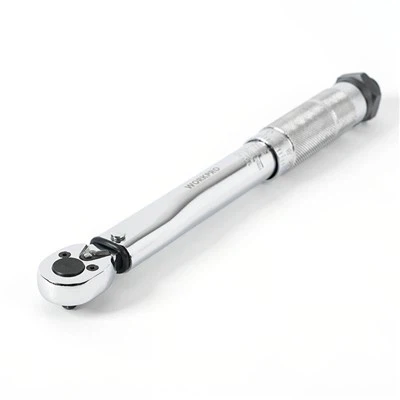
In contrast, tools like sanding pads or buffing wheels can be designed to provide more uniform pressure distribution, allowing for a more consistent finish. The lack of precision in pressure application with a sponge can be particularly problematic when working on surfaces that require a high degree of smoothness and evenness, such as the bodywork of a car or the surface of a high – end piece of furniture.
Mechanics Tool Set While sponges have their place in the world of finishing tools, it’s important to recognize their limitations. As a finishing tools supplier, we understand the diverse needs of our customers and strive to provide a comprehensive range of tools to address different finishing challenges. If you’re looking for a more precise, durable, and effective solution for your finishing projects, we encourage you to explore our other products. Our team of experts is always ready to assist you in selecting the right tools for your specific needs. Don’t hesitate to reach out to us to start a discussion about your finishing tool requirements and how we can help you achieve the best possible results in your projects.
References
- Lenox, “Finishing Operation Handbook,” Industrial Press Inc.
- ASTM International standards related to finishing tools and materials.
- Professional trade magazines and journals in the fields of painting, woodworking, and automotive detailing.
Hangzhou GreatStar Industrial Co., Ltd.
Hangzhou GreatStar Industrial Co., Ltd. is one of the most professional finishing tools manufacturers and suppliers in China, specialized in providing high quality products and service. We warmly welcome you to wholesale high-grade finishing tools at competitive price from our factory. Contact us for pricelist.
Address: No. 35, Jiuhuan Road, Jiubao Town, Hangzhou, China
E-mail: sales@workprotool.com
WebSite: https://www.workprotool.com/
