In the plastics processing industry, maintaining high – quality products and efficient production often depends on the cleanliness of the equipment. As a supplier of plastic cleaning equipment, I’ve witnessed firsthand how different cleaning frequencies can significantly impact the cleaning performance of our machinery. In this post, I’ll delve into the science behind this relationship, sharing insights and real – world examples to help you make informed decisions about your cleaning routines. Plastic Cleaning Equipment
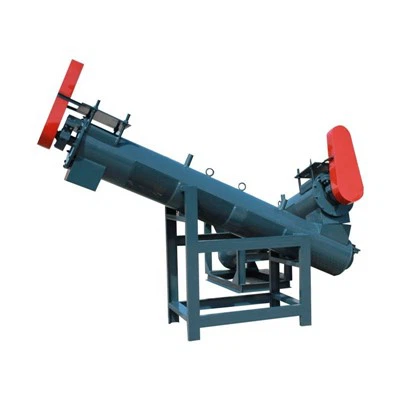
The Basics of Plastic Cleaning Equipment
Plastic cleaning equipment has evolved significantly over the years, with various technologies designed to remove contaminants such as dirt, polymer residues, colorants, and additives from plastic processing machines. Common types include mechanical cleaners, such as abrasives and brushes, and chemical cleaners, which use solvents or detergents to break down unwanted substances.
The core principle of these cleaning methods is to restore the equipment to a pristine state, ensuring that the plastic products produced are of the highest quality. However, the effectiveness of cleaning is not only determined by the type of equipment or the cleaning agents used but also by how often the cleaning process is carried out.
Impact of Low Cleaning Frequencies
When a plastic cleaning schedule is infrequent, multiple problems can occur that negatively affect the cleaning performance and overall equipment efficiency.
Buildup of Contaminants
Over time, without regular cleaning, contaminants in the plastic processing environment accumulate on the equipment surfaces. In injection molding machines, for example, plastic residues can build up inside the barrels, nozzles, and molds. This stubborn buildup is difficult to remove as it adheres firmly to the metal surfaces through chemical bonding and physical entanglement. The longer it stays, the more layers are formed, and the more complex the cleaning process becomes.
For instance, in a study conducted by some industry professionals, they found that in a company where the injection molding machines were cleaned only once a month, the output quality decreased over time. There were significant issues with part defects, such as flow marks, surface discoloration, and dimensional inaccuracies because the built – up residues interrupted the normal flow of the molten plastic.
Equipment Wear and Tear
Contaminants doesn’t just affect the quality of the plastic products; they also cause accelerated wear and tear on the equipment. Abrasive particles in the accumulated residues can act like sandpaper on moving parts, leading to increased friction. In extruders, the screw and barrel can experience excessive wear, which not only affects the cleaning performance but also the overall lifespan of the machine.
In addition, the presence of chemical contaminants can cause corrosion of metal surfaces. For example, some additives in plastics can react with the metal components of the equipment in the presence of moisture, resulting in rust and pitting. This further compromises the cleaning efficiency as the damaged surfaces provide more areas for contaminants to adhere to.
Impact of High Cleaning Frequencies
While low cleaning frequencies pose problems, overly frequent cleaning also has its drawbacks and limitations.
Increased Cost
High – frequency cleaning requires a significant investment in terms of time, labor, and cleaning agents. More frequent cleaning means more man – hours dedicated to the cleaning process, which increases labor costs. Additionally, the continuous use of cleaning agents can be expensive, especially if high – quality and specialized chemicals are required.
For example, some high – performance cleaning solvents can be quite costly, and using them too often can quickly add up. Companies that clean their plastic processing equipment on a daily basis may find that the cost of cleaning agents alone accounts for a substantial portion of their operational expenses.
Equipment Damage
Excessive cleaning can also damage the equipment. Aggressive cleaning methods, when used too frequently, can cause surface erosion of the equipment parts. For example, mechanical cleaning with abrasive materials can scratch the surface of the molds, which not only affects the appearance of the plastic products but also reduces the precision of the molding process.
In the case of chemical cleaning, over – exposure to strong solvents can cause swelling, cracking, or degradation of certain plastic or rubber components in the equipment. This can lead to malfunctions and the need for costly repairs or replacements.
Optimal Cleaning Frequencies for Different Situations
Finding the right balance in cleaning frequency is crucial for achieving the best cleaning performance. Several factors need to be considered when determining the optimal cleaning schedule.
Type of Plastic
Different types of plastics have different properties and levels of reactivity. For example, thermoplastics like polyethylene and polypropylene are relatively stable and less likely to leave stubborn residues compared to some engineering plastics such as polycarbonate or polyphenylene sulfide. Engineering plastics often contain additives and fillers that can be more difficult to clean. Therefore, equipment used for processing engineering plastics may require a higher cleaning frequency than that used for general thermoplastics.
Production Volume
High – volume production lines generate more contaminants in a shorter period. In a factory where hundreds or thousands of plastic parts are produced per hour, the equipment is exposed to a continuous flow of molten plastic, colorants, and additives. As a result, the cleaning frequency needs to be increased to prevent excessive buildup. On the other hand, low – volume production facilities may be able to get away with less frequent cleaning.
Contaminant Type
The nature of the contaminants also plays a role. If the plastic is mixed with a lot of colorants or additives that are prone to sticking, more frequent cleaning is necessary. For example, in the production of brightly colored plastic products, the pigments can leave behind a significant amount of residue, and the equipment should be cleaned more often to maintain color consistency and product quality.
Real – World Examples
Let’s take a look at two different companies that have different approaches to cleaning frequency.
Company A is a small – scale plastic injection molding company producing simple household plastic items. They clean their equipment every two weeks. They found that although the cleaning process is not overly burdensome, there is a gradual decrease in product quality over time. After three months of this schedule, they started to notice visible defects in the products, such as small black specks and surface roughness.
On the other hand, Company B is a large – scale manufacturer of high – precision plastic parts for the automotive industry. They clean their equipment daily as part of their strict quality control process. While their product quality is consistently high, they have faced increased costs due to the large amount of cleaning agents used and the labor involved.
Recommendations for Customers
As a plastic cleaning equipment supplier, I recommend that customers assess their specific situation carefully. First, conduct an in – depth analysis of the type of plastic they are processing, the production volume, and the nature of the contaminants. Based on this analysis, develop a customized cleaning schedule.
For those new to the industry, it may be beneficial to start with a relatively conservative cleaning frequency and gradually adjust it based on the observed cleaning performance and product quality. Regularly monitor the equipment for signs of contamination and wear, such as changes in product appearance, machine performance, or increases in production defects.
Conclusion
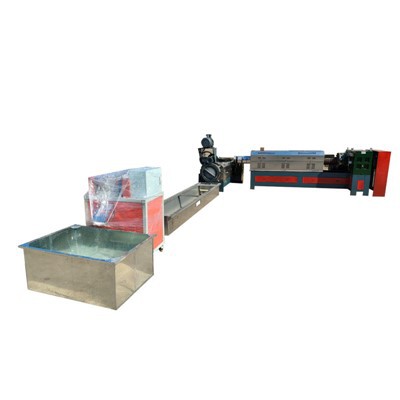
The cleaning performance of plastic cleaning equipment is closely related to the cleaning frequency. Low frequencies lead to the buildup of contaminants and accelerated equipment wear, while high frequencies can cause increased costs and equipment damage. By carefully considering factors such as the type of plastic, production volume, and contaminant type, customers can determine the optimal cleaning frequency for their plastic processing operations.
Plastic Drying Equipment Are you looking to improve the cleaning performance of your plastic equipment? Or perhaps you’re unsure about the best cleaning frequency for your specific situation? I’m here to help. As a trusted plastic cleaning equipment supplier, I have extensive knowledge and experience in this field. Contact me to discuss your requirements, and let’s work together to develop an effective cleaning strategy for your business.
References
- Industry research reports on plastic processing equipment maintenance.
- Case studies of plastic manufacturers’ cleaning routines.
- Technical literature from plastic cleaning equipment manufacturers.
Laizhou Yuening Machinery Co., Ltd.
As one of the most reliable plastic cleaning equipment manufacturers in China, we warmly welcome you to buy cheap plastic cleaning equipment made in China here from our factory. All customized machines are with high quality and low price. For pricelist, contact us now.
Address: Yuanjia Village, Luwang, Shahe Town, Laizhou City, Yantai City, Shandong Province
E-mail: yueningjixie@163.com
WebSite: https://www.ynplasticmachinery.com/
