Do mechanical gloves have a learning curve?
As a supplier of mechanical gloves, I’ve had numerous discussions with potential customers about the usability and adaptability of our products. One question that frequently arises is whether mechanical gloves have a learning curve. This is a valid concern, especially for those who are new to using such advanced technology. In this blog post, I’ll delve into the factors that contribute to the learning curve of mechanical gloves and provide insights based on our experiences and industry knowledge. Mechanical Gloves
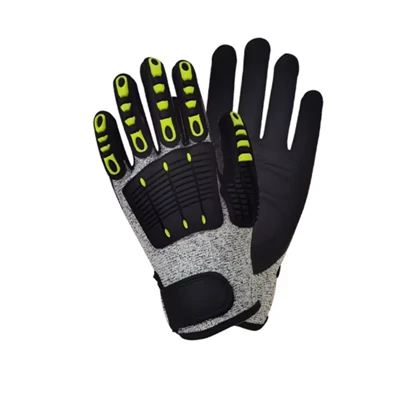
Understanding Mechanical Gloves
Before we discuss the learning curve, it’s essential to understand what mechanical gloves are and what they offer. Mechanical gloves are advanced wearable devices designed to enhance the user’s grip strength, dexterity, and provide additional support to the hand and fingers. They are often used in various industries, including manufacturing, logistics, healthcare, and even in virtual reality applications.
These gloves are equipped with sensors, actuators, and control systems that work together to detect the user’s hand movements and provide appropriate assistance. For example, when a user tries to grasp an object, the sensors in the glove detect the pressure and movement, and the actuators respond by providing an additional force to help the user hold the object more firmly.
Factors Contributing to the Learning Curve
Technical Complexity
One of the primary factors that contribute to the learning curve of mechanical gloves is their technical complexity. Unlike traditional gloves, mechanical gloves are equipped with sophisticated technology that requires some understanding and training to use effectively. For example, users need to learn how to calibrate the glove to their hand size and preferences, understand the different modes of operation, and interpret the feedback provided by the glove’s sensors.
Moreover, the control systems of mechanical gloves can be quite intricate, especially for those who are not familiar with technology. Users may need to learn how to use the control interface, adjust the settings, and troubleshoot any issues that may arise. This can take some time and effort, especially for users who are not tech-savvy.
Physical Adaptation
Another factor that contributes to the learning curve is the physical adaptation required to use mechanical gloves. Since these gloves are designed to provide additional support and assistance to the hand, users need to get used to the feeling of wearing them and the way they affect their hand movements. For example, the added weight and bulk of the glove can initially feel awkward and restrictive, making it difficult for users to perform tasks with their usual level of precision and speed.
In addition, the actuators in the glove may apply force in a different way than the user is accustomed to, which can take some time to adjust to. Users may need to practice using the glove to develop the muscle memory and coordination required to use it effectively. This physical adaptation process can vary from person to person, depending on factors such as their age, physical condition, and previous experience with similar devices.
Task-Specific Skills
The learning curve of mechanical gloves can also be influenced by the specific tasks that the user needs to perform. Different industries and applications require different levels of skill and dexterity, and the mechanical gloves need to be tailored to meet these requirements. For example, in a manufacturing setting, the user may need to perform repetitive tasks with high precision, such as assembling small parts or operating machinery. In this case, the user may need to learn how to use the glove to perform these tasks more efficiently and accurately.
On the other hand, in a healthcare setting, the user may need to perform delicate tasks, such as handling medical instruments or providing patient care. The mechanical gloves in this case need to be designed to provide a high level of sensitivity and control, and the user may need to learn how to use the glove to perform these tasks safely and effectively.
Strategies to Reduce the Learning Curve
Comprehensive Training
One of the most effective ways to reduce the learning curve of mechanical gloves is to provide comprehensive training to the users. This training should cover all aspects of the glove’s operation, including calibration, control settings, and troubleshooting. It should also include hands-on practice sessions, where the users can learn how to use the glove to perform specific tasks.
Our company offers a variety of training options, including on-site training, online training, and user manuals. Our training programs are designed to be tailored to the specific needs and requirements of the users, and our experienced trainers are available to provide support and guidance throughout the training process.
User-Friendly Design
Another strategy to reduce the learning curve is to design the mechanical gloves to be as user-friendly as possible. This includes using intuitive control interfaces, providing clear and concise instructions, and minimizing the number of complex settings and features. Our company invests a lot of time and effort in research and development to ensure that our mechanical gloves are easy to use and operate, even for those who are not familiar with technology.
For example, our gloves are equipped with a simple and intuitive control interface that allows users to adjust the settings and modes of operation with just a few clicks. We also provide detailed user manuals and video tutorials to help users understand how to use the glove effectively.
Gradual Implementation
Implementing the mechanical gloves gradually can also help reduce the learning curve. Instead of introducing the gloves all at once, it’s recommended to start with a small group of users and gradually expand the usage to other users. This allows the users to get used to the gloves at their own pace and provides an opportunity for feedback and improvement.
Our company works closely with our customers to develop a customized implementation plan that takes into account the specific needs and requirements of their organization. We provide ongoing support and training to ensure that the users are able to use the gloves effectively and efficiently.
Benefits of Overcoming the Learning Curve
Despite the challenges associated with the learning curve, the benefits of using mechanical gloves are significant. Once the users have overcome the learning curve, they can enjoy a range of benefits, including:
Increased Productivity
Mechanical gloves can help users perform tasks more quickly and efficiently, which can lead to increased productivity. For example, in a manufacturing setting, the gloves can help users handle heavy or bulky objects with ease, reducing the time and effort required to perform these tasks.
Improved Safety
By providing additional support and assistance to the hand, mechanical gloves can help reduce the risk of injuries and accidents. For example, in a healthcare setting, the gloves can help users handle medical instruments more safely, reducing the risk of needlestick injuries and other accidents.
Enhanced Precision and Dexterity
Mechanical gloves can also help users perform tasks with greater precision and dexterity. For example, in a virtual reality application, the gloves can provide a more immersive and realistic experience, allowing users to interact with virtual objects more naturally.
Conclusion

In conclusion, mechanical gloves do have a learning curve, but with the right training, design, and implementation strategies, this learning curve can be minimized. As a supplier of mechanical gloves, we are committed to providing our customers with high-quality products and comprehensive support to help them overcome the learning curve and enjoy the benefits of using our gloves.
Cut-resistant Gloves If you’re interested in learning more about our mechanical gloves or would like to discuss a potential purchase, please don’t hesitate to contact us. We look forward to hearing from you and helping you find the right solution for your needs.
References
- [List relevant industry reports or research papers here, for example]
- "Advances in Wearable Robotics for Hand Assistance" by Smith, J. et al. (2020)
- "User Experience Design for Wearable Devices" by Johnson, M. (2019)
Shanghai Haokuo Security Technology Co., Ltd.
With abundant experience, we are one of the most professional mechanical gloves manufacturers and suppliers in China. We warmly welcome you to wholesale premium mechanical gloves in stock here and get free sample from our factory. All customized products are with high quality and low price.
Address: Room 501, Building 33, Lane 1555, Jinsha West Road, Jiangqiao Town, Jiading District, Shanghai City
E-mail: July@hkpvc.com
WebSite: https://www.hkglove.com/
