If you’ve ever browsed a playground supply catalog or walked past a community park with a new set of swings, you’ve probably noticed a small but critical detail most people overlook: the swing chains holding the seats in place. For years, as a direct outdoor swing chains supplier, I’ve gotten the same question over and over—often from park managers, daycare owners, and small amusement operators: “Can I use regular outdoor swing chains for commercial swings?” It’s a fair one. Commercial playgrounds have way different rules than the plastic swing set in your backyard, and cutting corners on parts like chains isn’t just a mistake—it’s a safety risk. Outdoor Swing Chains

Let me start with a story from a few years back. A mid-sized city’s parks department reached out to me in a panic. They’d just installed new playgrounds at three elementary schools, using generic outdoor swing chains they’d bought from a big-box hardware store to save money. Six months later, a parent reported that a chain on a toddler swing had started fraying at the link, and a subsequent inspection found that two more chains on the same set had cracks too small to spot with a casual glance. The city ended up pulling all the chains, replacing them with commercial-grade ones from our inventory, and footing a bill that was double what they would’ve paid if they’d bought the right chains in the first place. That story stuck with me because it’s exactly why the line between “outdoor swing chains” and “commercial swing chains” matters—more than you might think at first.
First, let’s break down what makes a swing chain commercial versus residential. Regular outdoor swing chains are made for light, infrequent use—think a kid playing in their backyard for an hour after school, or a weekend afternoon with the neighborhood. They’re usually thinner, made with mild steel that can rust if it’s exposed to rain and snow, and tested to hold maybe 200 to 300 pounds max. Commercial outdoor swing chains, on the other hand, are engineered for heavy, daily use—think a park where 50 kids swing every hour, or a daycare center with 20 toddlers using swings all day. These chains are made with thicker, higher-tensile steel, often galvanized or coated with a weather-resistant powder that stands up to harsh outdoor conditions, and tested to hold at least 500 pounds per chain. That’s not just a number—when you have a dozen kids waiting in line for swings, and each swing is used 10 times an hour, the wear and tear adds up fast.
A lot of people don’t realize that commercial playgrounds are regulated by organizations like the Consumer Product Safety Commission (CPSC) in the U.S., and similar bodies around the world. Those regulations aren’t arbitrary—they come from years of data on playground injuries, most of which are caused by broken parts or equipment that wasn’t built for heavy use. The CPSC’s Playground Safety Standard 120 claims specifically that swing chains for commercial use must have a breaking strength of no less than 500 pounds, and must be able to resist corrosion from outdoor elements for at least 10 years. Generic outdoor swing chains rarely meet that standard. I’ve tested both side by side: a standard residential outdoor swing chain will break at around 250 pounds when pulled with consistent force, while a commercial one snaps at over 800 pounds—more than enough to hold even two average-sized adults, let alone kids of all ages.
That said, not all “outdoor swing chains” are created equal. Some suppliers market a middle ground—chains that are slightly thicker than residential ones, but not officially commercial grade. I’ve heard these called “light commercial” or “light duty outdoor” chains, and while they might work for a small church playground that only sees use on Sundays, they’re not a replacement for true commercial chains. The difference comes down to two key factors: tensile strength and corrosion resistance. Tensile strength is how much force a chain can take before it breaks. Corrosion resistance is how well it stands up to rain, salt, humidity, and temperature changes—things that cause chains to weaken over time, even if they look fine.
A few months ago, I worked with a small local amusement center that was planning to add a swing set to their family area. They’d initially planned to use “outdoor swing chains” from a popular online retailer, because they were 30% cheaper. When I walked them through the specs, I pointed out that their amusement center would be open 12 hours a day, 6 days a week, with swings used by kids and adults up to 200 pounds. The generic chains would only last 2 years in that kind of use, while our commercial chains would last 10 years with minimal maintenance. They decided to go with our chains, and a year later, the center’s maintenance manager emailed me to say the swings were holding up perfectly—no fraying, no rust, no issues. That’s the kind of payoff that comes from choosing the right chain, even if it costs a little more upfront.
Another common misconception is that all swing chains are interchangeable for different swing types. Commercial swings come in all sizes: toddler swings with soft seats, regular bucket swings, even larger belt swings for older kids. The same goes for outdoor swing chains—you wouldn’t use a thin residential chain for a heavy adult swing, right? But I’ve seen people do that. A preschool owner once called me upset because their adult-sized swing set had a chain break mid-use, sending a parent tumbling off. They’d used generic outdoor chains, which were too thin to hold the 180-pound adult swinging. The solution? Matching the chain size to the swing’s intended use. Commercial chains come in different lengths and link sizes for every type of swing, so you don’t have to worry about misaligning seats or putting too much stress on the chain.
Weather is another big factor that separates outdoor and commercial chains. If you’re in a place with heavy rain, snow, or high humidity, corrosion is a major risk. Generic outdoor swing chains are often only zinc-plated, which will rust after 3 to 5 years if left outside. Commercial chains, by contrast, are usually hot-dip galvanized or powder-coated, which creates a much thicker, more durable barrier against rust. I have a test setup in my warehouse where I hang different types of chains outside and spray them with salt water every week—simulating coastal weather conditions. After 2 years, the generic outdoor chains are pitted with rust, and their tensile strength has dropped by almost 20%. Our commercial chains show almost no rust, and their strength is still within specs. That kind of durability isn’t just a nice-to-have—it’s required by most commercial playground safety standards.
Now, let’s talk about when a true outdoor swing chain might work for a commercial application. If you have a small, low-traffic commercial space—like a home daycare that only has 8 kids, or a community park that’s only used on weekends and holidays—you could probably get away with a high-quality outdoor swing chain, as long as it meets the breaking strength requirements for your area. But even then, I always recommend erring on the side of caution. I once visited a small home daycare that had used residential chains for 5 years with no issues, but when I inspected the chains, I noticed they were starting to fray at the links. The owner had been lucky, but that’s the thing about swing chains—most failures happen without warning. Fraying, rust, or small cracks aren’t always visible to the naked eye, so having a chain that’s built to last is non-negotiable for commercial use.
I also want to mention maintenance, because that’s part of what makes commercial chains worth the investment. Generic outdoor chains require more frequent inspections—every 3 months, instead of every 6 months for commercial chains. You have to check each link for rust, stretch, or fraying, and lubricate them regularly to keep them from sticking. Commercial chains, because of their thicker steel and better coating, need much less maintenance. Our commercial chains come with a 10-year warranty against manufacturing defects, and we provide free inspection guides for commercial operators, so they know exactly what to look for during their quarterly checks. That peace of mind is invaluable when you’re responsible for dozens of kids’ safety.
A few months back, I presented at a local playground safety conference for city park managers and daycare owners. One of the questions from the audience was about budget constraints—everyone wants to save money where they can, and swing chains are a line item that’s easy to cut. I told them what I always tell my customers: cutting corners on chains is the most expensive mistake you can make. The cost of replacing broken chains, paying for liability insurance claims, or even shutting down a playground temporarily for repairs adds up way faster than the difference in price between a good outdoor swing chain and a commercial one. At the conference, I brought in two chains—one generic outdoor, one commercial—and let everyone feel the weight and compare the specs. Almost everyone who touched the commercial chain agreed that it was sturdier, and most said they’d been using the wrong chains for their playgrounds.
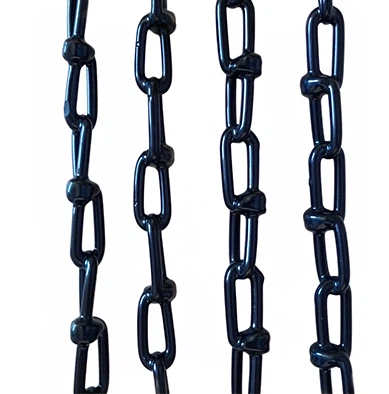
So, to circle back to the original question: Can outdoor swing chains be used for commercial swings? The short answer is—sometimes, but only if they meet strict commercial safety standards, and only for low-traffic, small-scale commercial applications. For most commercial spaces, including public parks, school playgrounds, amusement centers, and daycare centers, true commercial outdoor swing chains are the only safe, long-term option. They’re engineered to handle heavy daily use, resist corrosion, meet safety regulations, and require less maintenance over time.
Swing If you’re a commercial operator trying to figure out what kind of swing chains you need, or if you’re tired of replacing generic chains every few years, I’m here to help. As a supplier of quality outdoor swing chains, I work with parks, schools, and small businesses all over to find the right chains for their specific needs. Whether you need chains for toddler swings, adult swings, or specialty swings, I can provide tested, code-compliant chains that will keep your playground safe for years. Don’t risk safety (or your budget) on generic chains that aren’t built for commercial use—reach out to me to discuss your project, get a quote, or ask any questions you have about swing chain specs and installation.
References
- Consumer Product Safety Commission. (2022). Safety Standard for Public Playground Equipment.
- American Society for Testing and Materials. (2021). Standard Specification for Steel Chain, Link, for Playground Equipment.
- National Recreation and Park Association. (2023). Playground Maintenance and Safety Guide.
- International Playground Suppliers Association. (2022). Commercial Play Equipment Component Specifications.
Pujiang Shenli Chain Co., Ltd.
Address: No. 18, Zaifeng Road, Pujiang County, Zhejiang Province
E-mail: Chen@shenlichain.com
WebSite: https://www.chainshenli.com/
