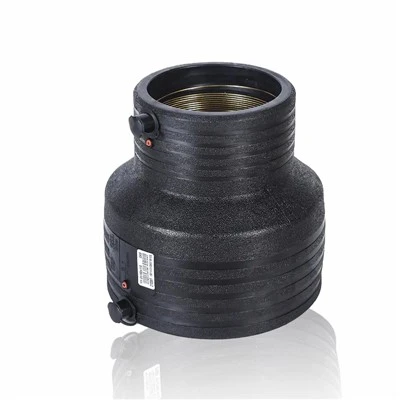
Hey there! I’m a supplier of welded pipe fittings, and I’ve been in this business for quite a while. One of the most common headaches installers face is ensuring the alignment of these welded pipe fittings during installation. It’s a crucial step that can make or break the entire plumbing or piping project. So, let’s dive into how we can make sure those pipe fittings are lined up just right. Welded Pipe Fittings
Pre – installation Preparation
First things first, before you even start the installation process, you gotta do some homework. You need to have a clear understanding of the design and layout of the piping system. This means getting your hands on the detailed blueprints. Take the time to study them thoroughly. Look for any specific angles, bends, or special requirements for the pipe fittings.
Measure twice, cut once, as they say. Accurate measurements are the key to proper alignment. Use good – quality measuring tools like tape measures and levels. When measuring the pipe lengths, make sure to account for the thickness of the pipe walls and the space required for the fittings themselves. For example, if you’re using socket – welded fittings, you need to know how much of the pipe will fit into the socket to ensure the overall length is correct.
Inspect all the pipe fittings before installation. Check for any signs of damage, such as cracks, dents, or warping. A damaged fitting can throw off the alignment and cause leaks or other issues down the line. If you find any defective fittings, don’t use them. Return them to the supplier (like me!) and get replacements.
Setting Up the Workspace
A well – organized workspace can significantly help with alignment. Clear the area where you’ll be installing the pipe fittings of any debris, tools, or other obstacles. This gives you plenty of room to move around and work comfortably.
Set up a stable support system for the pipes. You can use pipe stands, clamps, or brackets. Make sure these supports are firmly secured to prevent the pipes from shifting during installation. For longer pipes, it might be necessary to use multiple supports at regular intervals. This helps to keep the pipes straight and in the correct position.
Alignment Techniques
Visual Inspection
Visual inspection is the simplest and most basic method of alignment. Stand back and look at the pipes and fittings from different angles. Try to spot any obvious misalignments. This is a good starting point, but it’s not always accurate, especially for more complex piping systems.
Using Levels and Plumb Bob
Levels are great tools for ensuring horizontal and vertical alignment. Place a spirit level on top of the pipe to check if it’s perfectly horizontal. If it’s not, adjust the supports or the position of the pipe until the bubble in the level is centered.
A plumb bob can be used to check vertical alignment. Tie the plumb bob to a string and hold it next to the pipe. The plumb bob will hang straight down, and you can compare the pipe’s position to the vertical line it creates. Adjust the pipe as needed to make it parallel to the plumb line.
Alignment Jigs
For more precise alignment, you can use alignment jigs. These are custom – made or commercially available tools that help hold the pipes and fittings in the correct position. Alignment jigs can be especially useful when dealing with multiple pipes or fittings that need to be joined at specific angles.
Laser Alignment Systems
Laser alignment systems are the high – tech solution for ensuring accurate alignment. These systems project a laser beam that acts as a straight reference line. You can use it to align pipes over long distances or in areas where it’s difficult to use traditional methods. Although they can be a bit pricey, they save a lot of time and effort in the long run.
Welding Process and Alignment Maintenance
Once you’ve got the pipes and fittings properly aligned, it’s time to start welding. But be careful, the welding process can cause the pipes to shift if you’re not careful.
Use tack welds first. Tack welds are small, temporary welds that hold the pipes and fittings in place. Make a few tack welds at evenly spaced intervals around the joint. This helps to prevent the joint from moving during the full welding process.
When making the final welds, use a consistent welding technique. Uneven welding can create stresses in the joint and cause the alignment to change. Follow the welding procedure recommended for the type of pipe and fitting material you’re using.
During the welding process, keep checking the alignment. If you notice any shifts, stop welding immediately and make the necessary adjustments. You can use the same alignment tools you used before welding to ensure the alignment is still correct.
Post – installation Checks
After the welding is complete, don’t just assume everything is okay. Give the entire piping system a thorough check. Inspect the welded joints for any signs of misalignment or defects. Look for cracks, porosity, or uneven weld beads.
Use pressure testing to check the integrity of the system. Apply pressure to the pipes and fittings and monitor for any leaks. A leak can be a sign of misalignment or a poor – quality weld. If you find any issues, you may need to remove the faulty joint and repeat the installation process.
Why Choose Our Welded Pipe Fittings for Precise Alignment
Our welded pipe fittings are crafted with the highest precision. We use top – notch materials, ensuring that they are straight, true, and free from any manufacturing defects that could cause alignment problems. Our quality control process is rigorous, so you can trust that every fitting you get from us is up to the mark.
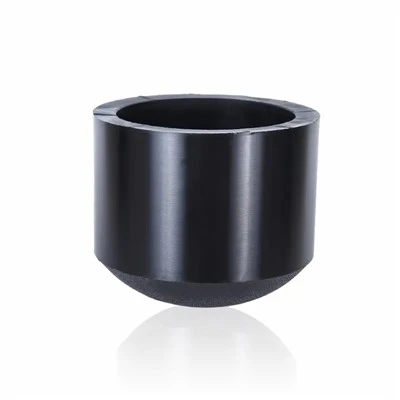
When you choose our fittings, you also get access to our technical support team. We’re here to answer any questions you might have about installation, alignment, or welding. Whether you’re a seasoned professional or a DIY enthusiast, we’re here to help you every step of the way.
Steel-plastic Joint If you’re in the market for high – quality welded pipe fittings and need help with alignment during installation, don’t hesitate to reach out. We’re ready to discuss your project requirements, offer advice, and provide you with the best products at competitive prices. Let’s work together to make your piping project a success!
References
- ASME B31.3 Process Piping Code
- AWS D1.1 Structural Welding Code – Steel
- API 5L Specification for Line Pipe
Yuyao Aoshi Hydraulic Components Manufacturing Co., Ltd.
As one of the most professional welded pipe fittings manufacturers and suppliers in China, we’re featured by quality products and good service. Please rest assured to wholesale welded pipe fittings in stock here and get quotation from our factory. Customized orders are welcome.
Address: Huilong village, Zhangting town, Yuyao city, Zhejiang province, China.
E-mail: renxuwei@vip.163.com
WebSite: https://www.jintongtrading.com/
