Refractory metals, characterized by their exceptional heat resistance, high melting points, and excellent corrosion resistance, play a pivotal role in glass manufacturing. As a seasoned refractory metal supplier, I’ve witnessed firsthand the transformative impact these metals have on the glass industry. In this article, I’ll delve into the various uses of refractory metals in glass manufacturing, shedding light on their importance and the benefits they bring to the table. Refractory Metal
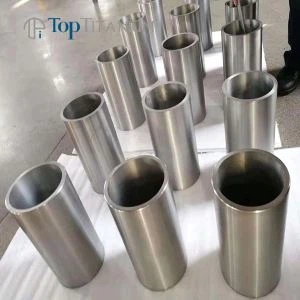
Crucibles and Melting Containers
One of the primary applications of refractory metals in glass manufacturing is the production of crucibles and melting containers. Glass production involves heating raw materials to extremely high temperatures, often exceeding 1000°C, to achieve the desired molten state. Refractory metals such as molybdenum (Mo) and tungsten (W) are ideal for this purpose due to their high melting points (2623°C for molybdenum and 3422°C for tungsten).
These metals can withstand the intense heat without deforming or reacting with the glass melt, ensuring the purity and quality of the final product. Crucibles made from refractory metals are used in both laboratory-scale and industrial glass manufacturing processes, allowing for precise control over the melting and refinement of glass. Additionally, their excellent thermal conductivity helps in efficient heat transfer, reducing energy consumption and production time.
Heating Elements
Refractory metals are also widely used as heating elements in glass furnaces. Induction heating coils and resistance heating elements made from metals like molybdenum and tungsten can generate high temperatures with excellent efficiency. These heating elements are capable of providing uniform heat distribution, which is crucial for achieving consistent glass quality.
In glass annealing processes, where the glass is slowly cooled to relieve internal stresses, refractory metal heating elements play a vital role. They ensure that the cooling rate is carefully controlled, preventing the formation of cracks and improving the mechanical properties of the glass. Moreover, the long service life of refractory metal heating elements reduces maintenance costs and downtime, making them a cost – effective solution for glass manufacturers.
Structural Components
In glass manufacturing equipment, refractory metals are employed as structural components. The harsh environment inside glass furnaces, characterized by high temperatures, corrosive gases, and mechanical stress, requires materials with exceptional durability. Tantalum (Ta) and niobium (Nb) are often used in constructing parts such as support rods, electrodes, and stirrers.
These metals have good corrosion resistance against molten glass and the acidic or alkaline gases present in the furnace atmosphere. Their high strength – to – weight ratio allows for the design of lightweight yet robust equipment components. For example, tantalum electrodes are used in the electric melting of glass, where they conduct electricity efficiently while remaining stable in the high – temperature and corrosive environment.
Sealing and Joining
Refractory metals are essential for sealing and joining glass components. When different glass parts or glass – metal assemblies need to be joined together, materials that can withstand the thermal expansion and contraction of glass during heating and cooling cycles are required. Metals like molybdenum and tungsten have coefficients of thermal expansion that are relatively close to that of some types of glass.
This property allows for reliable seals and joints to be created without causing excessive stress and cracking in the glass. Brazing and soldering processes using refractory metal alloys are commonly used to join glass components, ensuring airtight and leak – proof connections. These seals are crucial in applications such as glass vacuum systems, where maintaining a high – quality vacuum is essential.
Precision Forming and Shaping
In modern glass manufacturing, precision forming and shaping of glass products are becoming increasingly important. Refractory metals are used in the production of molds and dies for processes such as glass pressing, blowing, and casting. Tungsten carbide, a hard and wear – resistant material made from tungsten, is often used in the production of precision molds.
These molds can withstand the high – temperature and high – pressure conditions of glass forming processes, maintaining their shape and dimensional accuracy over time. The smooth surface finish of refractory metal molds also contributes to the high – quality surface finish of the glass products. This is particularly important in the production of optical glass components, where even the slightest surface imperfection can affect the optical properties of the glass.
Benefits of Using Refractory Metals in Glass Manufacturing
The use of refractory metals in glass manufacturing offers several significant benefits. Firstly, they enhance the quality of the glass products. By providing a stable and inert environment during melting and processing, refractory metals prevent contamination and ensure the uniformity of the glass composition. This leads to better optical, mechanical, and chemical properties of the final glass products.
Secondly, refractory metals improve the efficiency of the manufacturing process. Their high thermal conductivity allows for faster heating and cooling, reducing production time and energy consumption. The long service life of refractory metal components also means less frequent replacement and maintenance, minimizing downtime and increasing overall productivity.
Finally, refractory metals offer cost – effectiveness in the long run. Although the initial investment in refractory metal products may be higher compared to some other materials, their durability and performance result in lower total cost of ownership. Glass manufacturers can save on energy costs, maintenance expenses, and product rejection rates, making refractory metals a smart investment for the industry.
Conclusion
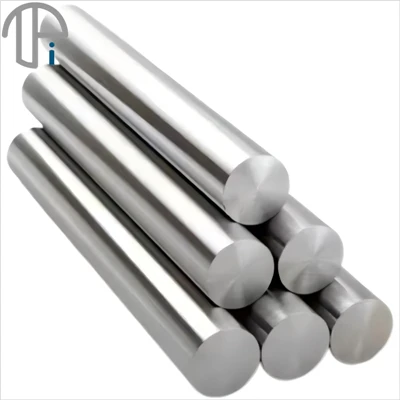
As a refractory metal supplier, I understand the critical role that our products play in the glass manufacturing industry. From crucibles and heating elements to structural components and precision molds, refractory metals are indispensable in every stage of the glass production process. Their unique properties, such as high melting points, excellent corrosion resistance, and good thermal conductivity, make them the materials of choice for glass manufacturers seeking to produce high – quality glass products efficiently and cost – effectively.
Titanium Wire If you are a glass manufacturer looking for reliable refractory metal solutions, I invite you to reach out for a procurement discussion. Our team of experts is ready to assist you in selecting the right refractory metals and products for your specific needs. We can provide customized solutions, technical support, and competitive pricing to ensure that your glass manufacturing operations run smoothly and successfully.
References
- "Handbook of Refractory Metals" by R. F. Bunshah.
- "Glass Science and Technology" series of publications, which cover various aspects of glass manufacturing and the role of materials.
- Industry reports on the glass manufacturing and refractory metals sectors from leading market research firms.
Baoji Top Titanium Industry Co., Ltd.
As one of the most professional refractory metal manufacturers and suppliers in China, we’re featured by quality products and good price. Please rest assured to buy bulk refractory metal in stock here and get quotation from our factory. Customized orders are welcome.
Address: No. 2, South Section Of Phoenix 2nd Road,High-Tech Zone, Baoji,Shaanxi, China (Mainland)
E-mail: sales@bjtopti.com
WebSite: https://www.china-topti.com/
